Who is Liable for an E-Bike Accident in North Carolina?
Liability for an e-bike accident in North Carolina depends on how the crash happened and who was at fault. This guide explains when negligent drivers, pedestrians, product manufacturers, rental companies, contractors, or government entities may be responsible and how contributory negligence can affect a claim.
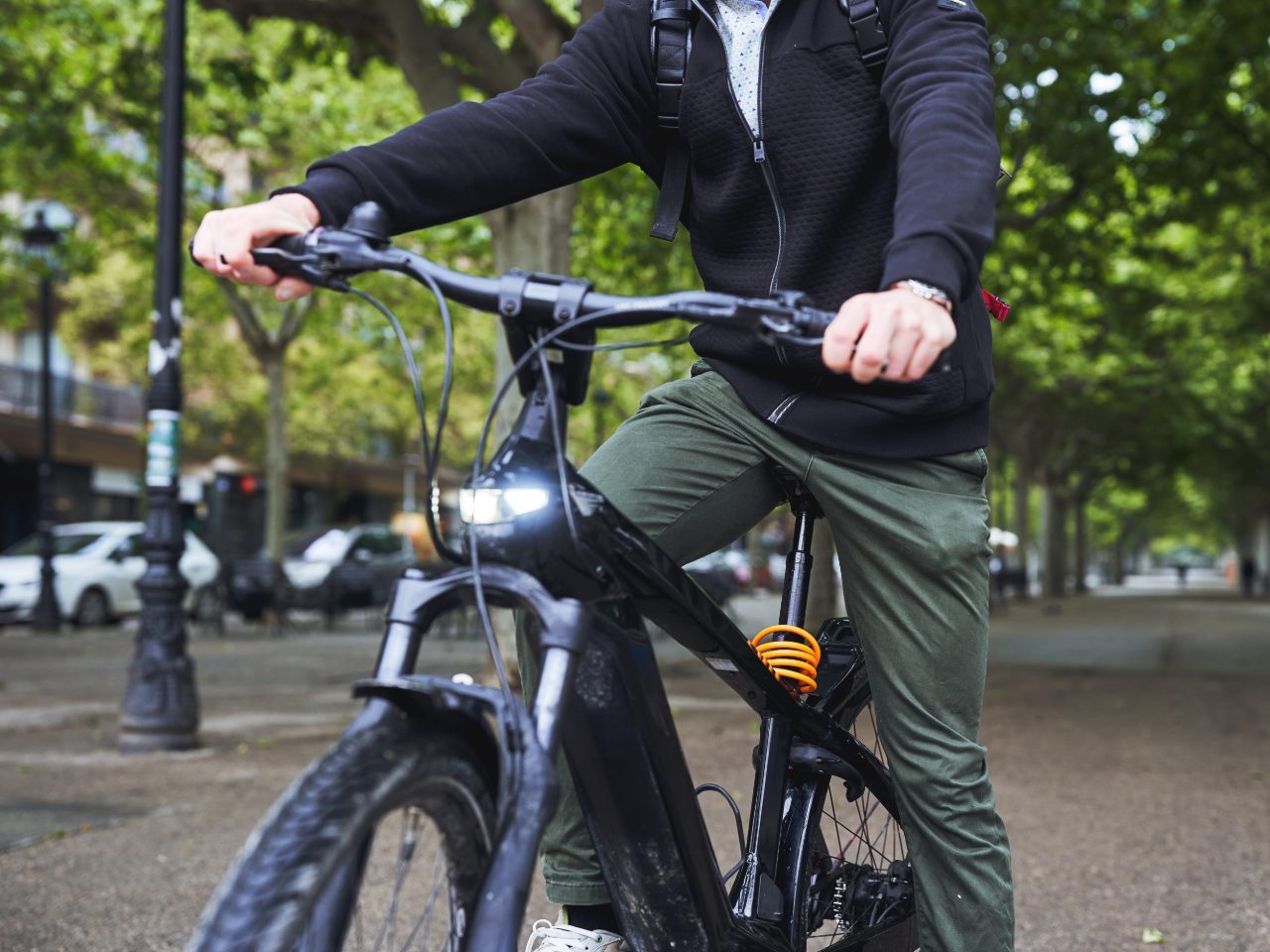
E-bikes can be fun to ride around the neighborhood and make commuting more accessible, but when a crash happens, the legal implications can quickly get complicated. Like your typical traffic accident, an e-bike crash may involve a negligent driver, another cyclist, a pedestrian, a defective bike component, a rental company, a dangerous road condition, or multiple responsible parties. However, similarly to a motorcycle accident, the injuries could be catastrophic.
In North Carolina, liability usually depends on how the crash happened, what evidence is available, and whether anyone that the injured e-bike rider was partly at fault. Because North Carolina follows a strict contributory negligence rule, even a small indication of rider fault can significantly affect an injury claim.
If you were hurt in an e-bike crash, the North Carolina bicycle accident lawyers at Daggett Shuler can help investigate what happened and identify every possible source of compensation. Here’s what you need to know afterward.
Liability Depends on How the Crash Happened
No one-size-fits-all answer exists for who is liable in an e-bike accident. Liability depends on fault, so the key question is usually: Whose careless, reckless, or wrongful conduct caused the crash?
In some cases, fault may be clear. For example, a driver who runs a red light and hits an e-bike rider may likely be responsible for the rider’s injuries. In other cases, liability may be disputed, especially if the crash happened at an intersection, on a shared-use path, near a construction zone, or because of a possible mechanical failure.
Important evidence may include:
- Police or crash reports
- Witness statements
- Photos and videos from the scene
- Traffic camera or surveillance footage
- Vehicle damage
- E-bike damage
- Helmet or gear damage
- Medical records
- Maintenance records
- Rental agreements
- Product information or recall history
Daggett Shuler’s bicycle accident team investigates bike crashes by examining the bike, damage patterns, and other physical evidence to counter common claims that a cyclist was speeding, swerving, or braking improperly.
When a Negligent Driver is Responsible
Motor vehicle drivers often cause serious e-bike accidents. E-bike riders have far less protection than people inside cars and trucks, so even a low-speed collision can cause serious injuries.
A negligent driver may be liable for an e-bike accident if they caused the crash by:
- Failing to yield at an intersection, crosswalk, driveway, or turn
- Speeding or driving too fast for conditions
- Driving while distracted, including texting or using a phone
- Opening a car door into the rider’s path, sometimes called a “dooring” accident
- Passing too closely or failing to leave enough room
- Turning across the path of an e-bike rider
- Running a red light or stop sign
- Driving under the influence of alcohol or drugs
Unfortunately, many bicycle and e-bike crashes happen because motorists fail to see riders, misjudge their speed, or do not respect their right to share the road.
Other Cyclist or Pedestrian Negligence
Drivers are not the only people who may be responsible for an e-bike crash. Other cyclists, pedestrians, scooter riders, joggers, or path users may also cause dangerous situations.
This can happen on roads, bike lanes, sidewalks, greenways, parks, shared-use paths, campus areas, and downtown pedestrian zones.
Examples of negligent behavior may include:
- Suddenly stepping into an e-bike rider’s path
- Failing to stay to the right on a shared-use path
- Ignoring posted path rules
- Riding unpredictably or weaving
- Stopping abruptly without warning
- Walking a dog with a leash stretched across a path
- Using headphones or a phone while unaware of surroundings
Shared-use paths can be especially challenging because they often include people traveling at very different speeds. A pedestrian may be walking slowly, a cyclist may be riding faster, and an e-bike rider may be moving faster still. When someone acts carelessly and causes a crash, they may be liable for the resulting injuries.
Product Defects: E-Bike Manufacturers and Retailers
Some e-bike crashes are caused not by a rider or another road user, but by a defective product. E-bikes rely on several mechanical and electrical systems working properly at the same time.
When a critical component fails, the rider may lose control with little or no warning.
Potential product defects may involve:
- Defective brakes
- Battery defects
- Throttle malfunctions
- Motor failures
- Faulty wiring
- Frame defects
- Handlebar or steering failures
- Defective tires or wheels
- Inadequate warnings or instructions
North Carolina has specific laws governing product liability claims under Chapter 99B of the North Carolina General Statutes, including claims involving inadequate warnings, defective design, and other product-related allegations.
A product liability claim may involve the manufacturer, distributor, retailer, or another company in the supply chain. These cases often require technical investigation, expert review, and preservation of the e-bike and its components. If you suspect a defect contributed to your crash, do not repair, discard, or alter the e-bike before speaking with an attorney.
Rental Companies and Liability Waivers
E-bike rentals are increasingly common in cities, tourist areas, campuses, and recreation destinations. When a rental e-bike is involved in a crash, the rental company may be responsible depending on what went wrong.
A rental company may be liable if the crash involved:
- Poor maintenance
- Worn brakes or tires
- Known mechanical problems
- Failure to inspect the e-bike
- Failure to remove a defective bike from service
- Lack of safety instructions
- Inadequate warnings about how to operate the bike
- Defective rental equipment
Rental companies may also rely on liability waivers. However, a waiver does not automatically end every injury claim. A waiver’s enforceability can depend on its language, the facts of the crash, and the type of negligence involved. An attorney can review the rental agreement and determine whether the company may still be held accountable.
When Government Entities or Contractors Are at Fault
Sometimes an e-bike accident happens because the road, bike lane, sidewalk, trail, or construction area was unsafe. In those cases, a government entity or contractor may be involved.
Dangerous conditions may include:
- Potholes
- Uneven pavement
- Poorly marked construction zones
- Missing or confusing signs
- Dangerous road design
- Poor lighting
- Unprotected drop-offs
- Loose gravel or debris
- Defective traffic signals
- Drainage grates unsafe for bicycle tires
Claims against government entities can be more complex than ordinary injury claims. They may involve special procedures, shorter deadlines, immunity defenses, and notice requirements. The North Carolina Industrial Commission handles certain negligence claims against state departments, institutions, and agencies under the State Tort Claims Act.
If a private construction company, utility contractor, property owner, or maintenance contractor created or failed to fix the hazard, they may also be liable.
How North Carolina Contributory Negligence Can Affect Liability
North Carolina’s contributory negligence rule can make e-bike accident claims especially difficult. Under this rule, if the injured person contributed to the accident, they may be barred from recovering compensation.
That means insurance companies and defense attorneys may try to argue that the e-bike rider was partly at fault. They may claim the rider was:
- Riding too fast
- Not paying attention
- Failing to use lights
- Wearing dark clothing
- Riding outside a bike lane
- Passing improperly
- Failing to obey traffic signs or signals
- Using the throttle carelessly
- Not wearing a helmet
- Swerving unexpectedly
North Carolina law treats contributory negligence as a defense the defendant must plead and prove, but the issue can still become central to the case. This is one reason evidence and legal strategy matter so much. A prompt investigation can help counter unfair blame, preserve critical proof, and show how the crash really happened.
Talk to a North Carolina E-Bike Accident Lawyer
After an e-bike accident, you may be dealing with medical bills, missed work, pain, insurance , and uncertainty about who is responsible. You do not have to sort it out alone.
Daggett Shuler represents injured people across North Carolina and has experience investigating bicycle accident claims, challenging unfair insurance company arguments, and pursuing compensation for injured riders. If you were injured in an e-bike accident, contact Daggett Shuler electric bike accident lawyers today to discuss your legal options.
Contact us today by submitting an online form or calling our office at (336) 724-1234 for a free consultation.
At Daggett Shuler, you can depend on us.