

What Should You Do After an E-Bike Accident in North Carolina?
Injured in an e-bike accident in North Carolina? Learn the key steps to protect your health, preserve evidence, and strengthen a potential injury claim.
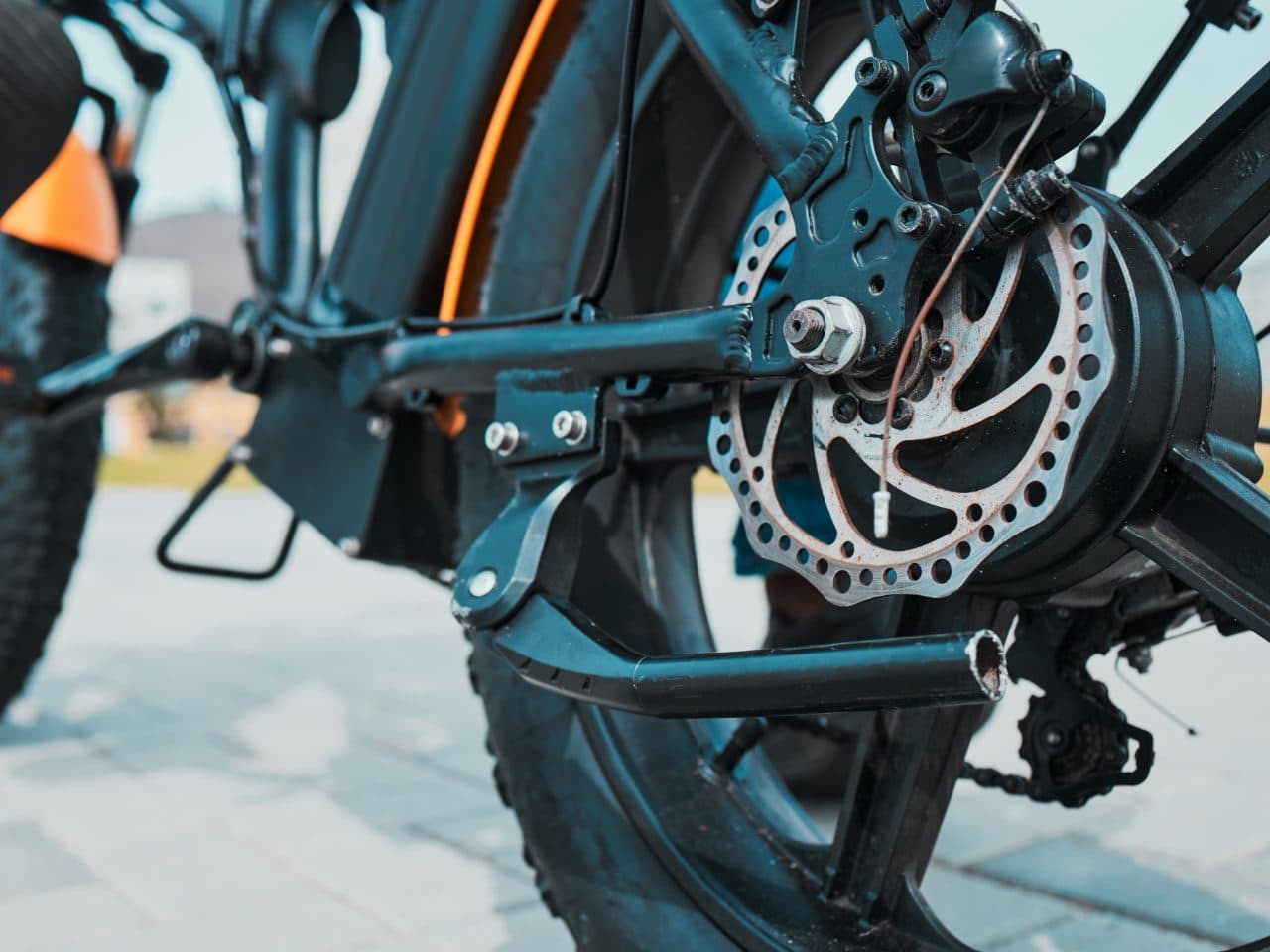
E-bikes offer a newer, convenient way to get around in parts of North Carolina, whether for commuting, exercising, or simply for fun. But when an e-bike accident happens, the aftermath can be devastating. You may be faced with severe injuries and a wrecked bike, and you may not know how to approach the next steps.
What you do after an e-bike crash can make a major difference in your health, recovery, and ability to pursue compensation. If you were hurt in an e-bike accident in North Carolina, here is what you should do next.
Call 911 and Report the Crash
After an e-bike accident, call 911 as soon as you are able. Even if the crash seems minor at first, having law enforcement respond can create an official record of what happened.
Police documentation is important because an accident report may include crucial details such as:
- The date, time, and location of the crash
- The names and contact information of the people involved
- Insurance information
- Statements from drivers, riders, or witnesses
- Observations about road conditions, traffic signals, or possible violations
This report can become important evidence when filing an insurance claim or pursuing a personal injury case. Insurance companies often review accident reports closely when deciding whether to accept or deny a claim.
You should also request emergency medical services if anyone is hurt, feels dizzy, has visible injuries, complains of pain, or may have hit their head – even if they were wearing a helment. E-bike accidents can cause serious injuries, and prompt medical care can help protect both your health and your legal claim.
Get Medical Attention Right Away
Some injuries are obvious immediately after an e-bike crash, while others may take hours or even days to appear fully. Remember that adrenaline can mask pain, and you may not realize how badly you are hurt until later.
Common e-bike accident injuries may include:
- Concussions and other traumatic brain injuries
- Broken bones
- Neck and back injuries
- Internal injuries
- Road rash and lacerations
- Sprains, strains, and other soft tissue injuries
- Shoulder, wrist, knee, or ankle injuries
Seeing a doctor right away helps ensure that injuries are diagnosed and treated as early as possible. It also creates medical records that connect your injuries to the accident.
If you delay treatment, the insurance company may argue that your injuries were not serious or were caused by something other than the crash. Follow your doctor’s instructions, attend follow-up appointments, and keep copies of your medical records, bills, prescriptions, and discharge paperwork.
Document the Accident Scene
If you can do so safely, gather as much information as possible at the scene. Evidence can disappear quickly. Vehicles may be moved, road conditions may change, and witnesses may leave.
Try to take photos or videos of:
- The vehicle or vehicles involved
- Your e-bike and any visible damage
- The location of the crash
- Road hazards, debris, potholes, uneven pavement, or bike lane conditions
- Traffic signs, stoplights, crosswalks, and lane markings
- Your injuries
- Weather, visibility, and lighting conditions
- Skid marks, broken glass, or damaged property
You should also get contact information from witnesses. A neutral witness may be able to confirm how the crash happened, especially if the driver later disputes your version of events.
If you are too injured to collect evidence, ask a friend, family member, or attorney to help as soon as possible.
Preserve Your E-Bike and Gear
After an e-bike accident, do not repair, alter, or throw away your bike or damaged equipment. Your e-bike may be key evidence in your claim.
Preserve items such as:
- The e-bike itself
- Helmet
- Clothing and shoes worn during the crash
- Lights, reflectors, or mirrors
- Phone mounts, baskets, bags, or other accessories
- Damaged batteries or electrical components
- Any broken or defective parts
This evidence may help show how the accident happened and how serious the impact was. In some cases, defective equipment or faulty e-bike components may have contributed to the crash. For example, brake failure, battery problems, tire defects, or malfunctioning lights could raise questions about product liability or negligent maintenance.
Keep everything in the same condition it was in after the accident until your case has been reviewed.
Avoid Admitting Fault
Be careful about what you say after an e-bike accident. It is natural to feel shaken and want to apologize, but even a casual statement like “I’m sorry” or “I didn’t see you” may be used against you later.
This is especially important in North Carolina because the state follows a contributory negligence rule. In many personal injury cases, if an injured person is found even partially at fault, they may be barred from recovering compensation.
That means insurance companies may look for anything they can use to blame you for the crash. They may argue that you were riding too fast, failed to follow traffic laws, were not visible enough, or otherwise contributed to the accident.
Stick to the facts when speaking with police officers, medical providers, or insurance representatives. Do not guess, speculate, or accept blame before all evidence has been reviewed.
Be Careful Communicating with Insurance Adjusters
After the accident, an insurance adjuster may contact you, the driver, another party, or even your own insurance company. While the adjuster may seem helpful, their job is to protect the insurance company’s interests—not yours.
Be cautious with:
- Recorded statements: Adjusters may ask questions designed to get you to minimize your injuries or say something they can use against you.
- Early settlement offers: A quick offer may not account for future medical care, lost income, long-term pain, or permanent limitations.
- Broad medical authorizations: Insurance companies may request access to extensive medical history, not just records related to the crash.
Before giving a recorded statement, signing documents, or accepting money, consider speaking with an attorney. Once you accept a settlement, you typically cannot ask for more compensation later, even if your injuries turn out to be more serious than you first believed.
Contact an E-Bike Accident Lawyer
E-bike accident claims can involve complex questions about liability, insurance coverage, road design, driver negligence, and equipment failure. An experienced e-bike accident lawyer can help protect your rights and guide you through the claims process.
An e-bike accident injury lawyer can assist by:
- Preserving key evidence
- Investigating the cause of the crash
- Identifying all potentially responsible parties
- Communicating with insurance companies
- Reviewing police reports, medical records, and witness statements
- Evaluating the full extent of your losses
- Negotiating for fair compensation
- Preparing your case for court if necessary
Depending on the facts, liable parties may include a negligent driver, a rideshare or delivery driver, a government entity responsible for unsafe road conditions, a bike shop, a maintenance provider, or a manufacturer of defective e-bike parts.
Because evidence can disappear and deadlines may apply, it’s crucial to get legal advice as soon as possible after the crash.
Talk to a North Carolina E-Bike Accident Lawyer Today
At Daggett Shuler, we’re hearing from more people with questions about e-bike accidents and their legal rights. From our offices in Greensboro and Winston-Salem, we help injured riders across North Carolina understand their options and take the next steps. If you or a loved one has been injured in an e-bike accident, contact our team for a free consultation.
If you were injured in an e-bike accident in North Carolina, you do not have to deal with the insurance company alone. Our team of experienced e-bike accident attorneys at Daggett Shuler can review your case, explain your options, and help you understand your next steps.
Contact us today by submitting an online form or calling our office at (336) 724-1234 for a free legal consultation.