Are E-Bike Riders Treated Like Bicyclists in North Carolina?
In North Carolina, e-bike riders are often treated similarly to bicyclists, but the rules can depend on the type of e-bike, where it is ridden, and whether local ordinances apply. This article explains rider rights, bike lane and greenway access, helmet issues, traffic violations, and how contributory negligence can affect an injury claim.
E-bikes have become a popular and convenient way to enjoy North Carolina’s roads and greenways. But as more riders use electric bicycles in Winston-Salem and across the state, questions often come up after crashes: Do North Carolina law and courts treat e-bike riders like bicyclists? Do they have the same rights? Can they ride in bike lanes? What happens if an insurance company argues the rider went too fast or should have worn a helmet?
In many situations, e-bike riders are treated similarly to traditional bicyclists. However, the answer depends on the type of e-bike, where it was being ridden, and whether state or local rules apply.
Understanding these distinctions can be important after an accident, especially in a state like North Carolina, where contributory negligence can create serious challenges for injured riders.
Understanding E-Bikes and Electric Bicycle Classifications
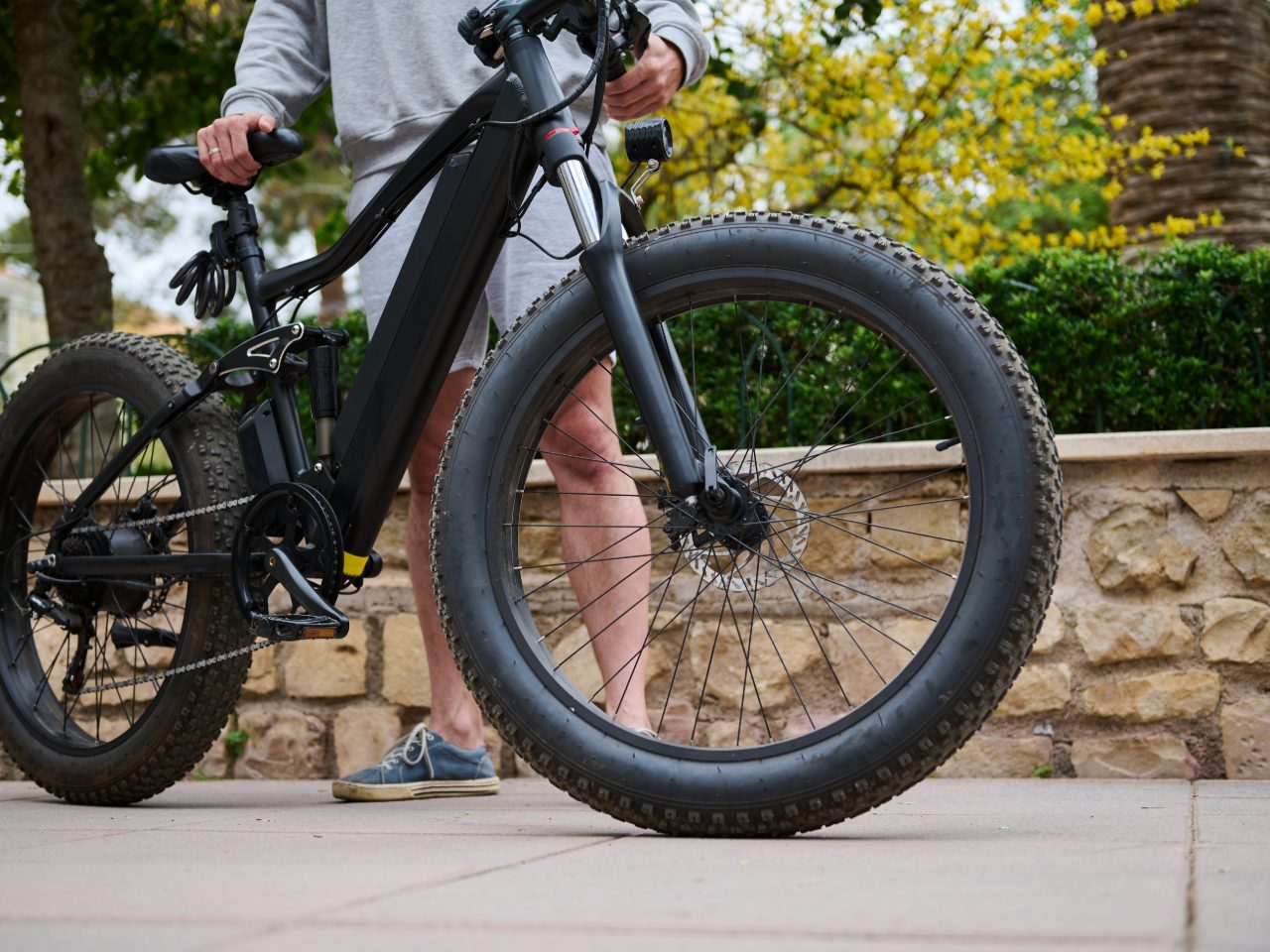
An e-bike is generally a bicycle equipped with an electric motor that helps the rider move. Unlike motorcycles, mopeds, or scooters, e-bikes are designed to function like bicycles and typically have working pedals.
North Carolina law recognizes “electric assisted bicycles” separately from mopeds and motorcycles. Recent updates to state law align North Carolina’s definition more closely with the common three-class e-bike system, which looks at how the motor assists the rider and when that assistance stops.
Common e-bike features include:
- Pedal assist: The motor provides power only while the rider is pedaling.
- Throttle assist: The motor can propel the bike without pedaling, depending on the e-bike class.
- Speed limits: E-bike classifications often depend on the speed at which motor assistance cuts off.
- Operable pedals: A true e-bike is still designed to be pedaled.
This distinction matters because a vehicle that is too powerful, too fast, or not designed like a bicycle may be treated differently under the can affect where the rider may lawfully operate the vehicle, what safety rules apply, and how an accident claim is evaluated.
Where Can E-Bikes Be Ridden?
E-bike access depends on the type of location. A rider may be allowed in one area but restricted in another. Generally, e-bike riders are allowed on:
- Roads. In many cases, e-bike riders may use public roads much like bicyclists. Cyclists riding on roadways are generally subject to traffic laws, including laws about stopping, yielding, turning, signaling, and riding with the flow of traffic.
- Bike Lanes. Where bicycles are permitted in bike lanes, qualifying e-bikes may also be allowed. However, riders should still follow posted signs, local ordinances, and any restrictions based on e-bike class or speed.
- Multi-Use Paths and Greenways. Greenways and multi-use paths can be more complicated. Some paths allow e-bikes, while others may restrict motorized devices or impose speed limits.
In Winston-Salem, the city’s greenways page states that motorized vehicles are not allowed on greenways except for electric bikes and segways. However, other micromobility rules may apply to shared devices, scooters, dockless , or certain public areas. Winston-Salem’s micromobility ordinance addresses dockless bicycles, electric-assisted bicycles, scooters, public parks, greenways, sidewalks, and other areas.
Local Restrictions
Cities and towns may adopt additional rules affecting e-bike use in specific locations. These rules may address:
- Sidewalk riding
- Greenway speed limits
- Public park restrictions
- Shared micromobility programs
- Downtown or historic district limitations
- Where devices may be parked or staged
Private Property Rules
Private property owners may also set their own rules. Apartment communities, campuses, shopping centers, parks, business complexes, and private trails may limit or prohibit e-bike use even if the e-bike is legal under state law.
If a crash occurs on private property, the property owner’s rules, signage, lighting, maintenance, and enforcement practices may all become relevant.
Do E-Bike Riders Have the Same Rights as Cyclists?
Generally, e-bike riders who are operating legal electric-assisted bicycles may have many of the same roadway rights and responsibilities as traditional bicyclists. Winston-Salem’s bicycle law guidance notes that a person riding a bicycle on a roadway has the rights and duties applicable to a vehicle driver, except where special rules apply or where a rule cannot logically apply to bicycles.
That means drivers must share the road safely with bicyclists and e-bike riders. Motorists should watch for riders when:
- Turning at intersections
- Opening vehicle doors
- Backing out of driveways
- Passing on narrow roads
- Entering or exiting parking lots
- Driving near bike lanes or shoulders
At the same time, e-bike riders must obey applicable traffic laws. They may be expected to stop at stop signs and red lights, yield when required, signal turns when practicable, ride in the proper direction, and use reasonable care for their own safety and the safety of others.
After a collision, the key question is often not simply whether the rider was on an e-bike. Instead, is whether the rider and driver each acted reasonably under the circumstances.
Safety Equipment and Helmet Issues
Helmet use can become an issue in e-bike accident claims, even when a negligent driver caused the crash.
North Carolina has bicycle helmet requirements for children. State law makes it unlawful for a parent or legal guardian to knowingly allow a person under age 16 to operate or ride as a passenger on a bicycle without a properly fitted and fastened protective bicycle helmet. However, the statute also says no negligence or liability shall be assessed or imputed because of a violation of that helmet requirement.
State law has also allowed local governments to require helmet use for riders under 18 operating or riding as passengers on certain classes of electric-assisted bicycles. Even so, insurance companies may try to use helmet-related arguments to reduce or deny an injury claim. For example, an insurer may argue that:
- The rider’s head injury was worse because they were not wearing a helmet.
- The rider failed to take reasonable safety precautions.
- A parent or guardian failed to supervise a minor rider.
- The rider used an e-bike unsafely.
These arguments are highly . The type of injury, the mechanics of the crash, the rider’s age, applicable local rules, and North Carolina law may all affect whether helmet use is relevant.
How Traffic Violations Can Affect an Accident Claim
Traffic violations can play an important role in an e-bike accident case. If a driver violates the law and causes a crash, that violation may help prove fault. But if the e-bike rider is accused of violating a traffic law, the insurance company may argue that the rider caused or contributed to the collision.
Common allegations may involve:
- Failure to yield: An insurer may claim the rider entered an intersection, crosswalk, driveway, or roadway without yielding.
- Speed: The insurer may argue the e-bike was traveling too fast for the conditions or faster than allowed on a path or greenway.
- Improper lane use: The rider may be accused of riding in the wrong direction, failing to use a bike lane properly, or moving unpredictably in traffic.
- Failure to stop: A rider may be accused of running a stop sign or red light.
- Sidewalk or path violations: Local rules may affect whether the rider was allowed to be in a particular location.
These issues matter because North Carolina follows a strict rule known as contributory negligence. Under contributory negligence, an injured person may be barred from recovering compensation if they contributed to the accident, even slightly.
Because of this rule, insurance companies often look for any argument that the injured rider did something wrong. In an e-bike case, they may focus on the rider’s speed, location, helmet use, visibility, lane position, or compliance with local rules.
That does not mean the insurance company is correct. Accident reconstruction, witness statements, traffic camera footage, police reports, medical records, and e-bike data may all help show what really happened.
Why Local Rules Matter
E-bike riders should not assume that the rules are exactly the same everywhere in North Carolina. Local ordinances can affect where and how e-bikes may be used.
Winston-Salem has ordinances addressing micromobility devices, including shared and dockless devices, electric-assisted bicycles, scooters, sidewalks, greenways, parks, and other public areas. These rules may be important if an accident involves a rented device, a shared micromobility program, or a crash in a public space.
Winston-Salem also maintains more than 25 miles of greenways, including paved and unpaved trails, boardwalks, and bridges. The city states that motorized vehicles are prohibited on greenways except for electric bikes and Segways.
Even where e-bikes are allowed, riders should watch for posted signs, speed restrictions, pedestrian traffic, blind curves, narrow bridges, and trail-specific rules.
Colleges, schools, hospitals, apartment communities, and private developments may have their own e-bike policies. These rules may address:
- Whether e-bikes are allowed
- Maximum speeds
- Parking and charging areas
- Sidewalk use
- Helmet requirements
- Restricted pedestrian zones
If a crash happens on a campus or private property, those policies may become part of the investigation.
Speak With a Winston-Salem E-Bike Accident Lawyer
E-bike accident claims can be more complicated than ordinary bicycle crash cases. The insurance company may argue about the rider’s classification, speed, location, helmet use, or compliance with local rules. In North Carolina, even a small allegation of rider fault can have serious consequences because of contributory negligence.
If you were injured while riding an e-bike in Winston-Salem or elsewhere in North Carolina, Daggett Shuler can help you understand your rights and evaluate your options. Our e-bike accident lawyers can investigate the crash, review applicable state and local laws, gather evidence, deal with the insurance company, and fight for the compensation you deserve.
Contact us today by submitting an online form or calling our office at (336) 724-1234 for a free legal consultation.
At Daggett Shuler, you can depend on us.